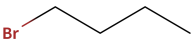
3-Bromo-1-propanol (CAS NO.: 627-18-9)
CAS NO.: 627-18-9
Content:97.00%
Application: Used in the synthesis of quaternary chiral prolines through cyclization of quaternary amino acids, fluorescent halide-sensitive quinolinium dyes, molten salt-polymers, and insect pheromones; serves as an electrophile in nucleophilic substitution reactions and redox polymerization.
Description
Product Overview
3-Bromo-1-propanol (also known as Trimethylene bromohydrin or 3-Hydroxypropyl bromide) CAS No.: 627-18-9 , with the chemical formula C₃H₇BrO and a molecular weight of 138.99 g/mol. It is a clear colorless to slightly yellow liquid. This compound belongs to the class of halo alcohols and is primarily used in organic synthesis and as a reagent, though it is subject to safety regulations due to its irritant properties.
Properties
3-Bromo-1-propanol exhibits the following key physical and chemical properties:
- Physical State: Liquid (at room temperature).
- Appearance: Clear colorless to slightly yellow liquid.
- Odor: Not specified.
- Melting Point: Not widely reported (approximately -57 °C based on similar compounds).
- Boiling Point: 62 °C/5 mmHg (lit.); approximately 150-160 °C at normal pressure (decomposes partially).
- Density: 1.537 g/mL at 25 °C (lit.); specific gravity 1.60.
- Solubility: 167 g/L in water at 20 °C; miscible with organic solvents like ethanol and ether.
- Stability: Stable under normal conditions; incompatible with strong oxidizing agents; may be sensitive to prolonged exposure to light.
- Toxicity: Moderately toxic; harmful if swallowed; causes skin irritation, serious eye irritation, and respiratory irritation; when heated to decomposition, emits toxic fumes of Br⁻.
Applications
The primary applications of 3-bromo-1-propanol include:
- Organic Synthesis Intermediate: Used in the synthesis of quaternary chiral prolines through cyclization of quaternary amino acids, fluorescent halide-sensitive quinolinium dyes, molten salt-polymers, and insect pheromones; serves as an electrophile in nucleophilic substitution reactions and redox polymerization.
- Reagent: Employed in the study of micellar media and microemulsions based on cationic or nonionic surfactants by reacting with phenols; acts as a grafting agent in the synthesis of recyclable reagents; used in structure-mutagenic activity relationships in bacterial strains.
- Other: Involved in the synthesis of pharmaceuticals, agrochemicals, biocides, and surfactants; enhances reactivity and stability in innovative formulations.
Classification
The following table outlines the classification of 3-bromo-1-propanol based on chemical properties, uses, and regulations:
| Classification Type | Specific Category | Description |
|---|---|---|
| Chemical Class | Halo Alcohol (Bromohydrin) | A primary alcohol with a bromine substituent, reactive in nucleophilic substitutions. |
| Usage Class | Organic Synthesis Reagent/Intermediate | Primarily used as a synthesis intermediate and reagent in chemical reactions. |
| Hazard Class | Irritant (GHS07); Harmful (Xn, Xi) | Warning; causes skin irritation (H315), eye irritation (H319), and may be harmful if swallowed (R22); risk of serious damage to eyes (R41). |
| Regulatory Class | Controlled Chemical (REACH, TSCA) | Listed under US TSCA (Yes); HS Code 29055910; subject to environmental and safety controls (WGK 3 in Germany). |
Why Choose Honor Pigments?
- 🌍 Global Export Expertise — Trusted by customers in 40+ countries for consistent quality and reliable supply
- ✅ Strict Quality Control — ISO 9001 certified with batch-to-batch consistency and zero-defect policy
- 💰 OEM Production Advantage — Competitive pricing without compromising pigment performance
- 🧪 Technical Support — Free color matching, formulation advice and sample testing before bulk order
📩 Need more details?
Request TDS, SDS, or a free sample for testing.